
A zip line is one of the simplest mechanisms in a playground and one of the most memorable. The cable slopes gently from launch to landing, the trolley runs freely along it, and the rider's own weight does the work. Speed builds on the first stretch and eases as the cable flattens toward the end. A short, self-limiting run gives a genuine sense of flight without the height or velocity of an adult course.
Riders are held by a harness or seat arrangement appropriate to the design, checked by an attendant before each departure. A braking system at the landing end absorbs the remaining momentum, and the trolley is built to stay captured on the cable throughout. CE certification covers the safety design.
Cable length is customized, which makes the zip line adaptable. Flat ground with room for two platforms is the straightforward case; a gentle slope lets designers use natural fall for a longer, smoother glide. Launch and landing zones need clear space and safe surfacing, and both are planned with your site plan in front of us.
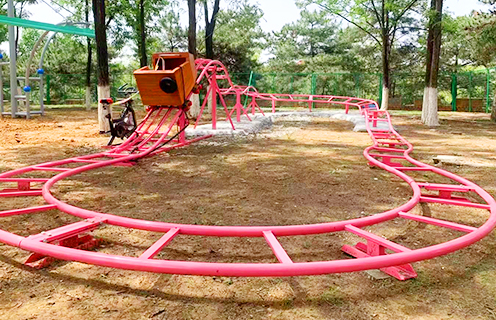
It pairs well with other height-based play. A lower overhead gliding track gives smaller children a gentler version of the same thrill, while a raised walking route above the ground turns a single cable into one stop on a larger circuit.
Throughput is governed by turnaround time rather than ride length. One trolley on a short cable can serve a steady line if staff keep the launch and return moves tight. A defined queue area with a single entry point keeps waiting children clear of the landing zone.
Platforms, towers and fixings can be finished in colours that match your park, and themed detailing - climbing motifs, timber-look cladding, signage - is agreed during design. Most operators treat the zip line as the visual anchor of an adventure corner rather than a hidden utility, so the styling gets real attention.
Attendants need three skills: harness checks, launch procedure and landing control. All three are straightforward, and we cover them in the handover material.
|
Product name |
Non- electricity Zipline |
|
Model Number |
YTCN-5NP-01 |
|
Size |
Customized |
|
Packaging |
Export package |
|
Color |
Customized Color |
|
Suitable age |
Over 3 years old |
|
MOQ |
1 Set |
Speed depends on cable length, slope and the rider's weight, so we design the profile to keep the glide comfortable. The aim is a smooth, controlled sensation of flight rather than maximum velocity.
The ride suits children from roughly four years upward, with weight guidance applied. Younger children ride with attendant supervision and are checked against the harness specification before launch.
Enough length for the cable plus clear launch and landing zones at either end. Send us your site plan and the available run, and the layout will be planned to fit it, with platform positions and clearance settled during design.
Yes. An attendant controls the landing, releases the harness and returns the trolley. Most venues staff both ends during busy periods and reduce to landing-end cover when traffic is light.
Cable tension, wear and termination points are inspected on a regular schedule, and the trolley, harness fittings and braking system are checked on the same routine. Replacement parts remain available after delivery.
Often, yes. A slope can be used to extend the glide, provided platforms and clearance zones meet the design requirements. Terrain is reviewed during planning rather than after the order.
Finishes and platform detailing are customized. Colours, cladding and signage can be matched to an existing zone, so the installation reads as designed scenery rather than borrowed equipment.
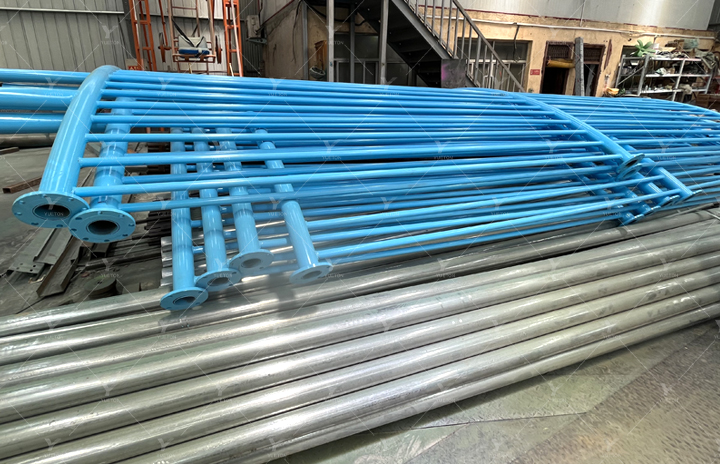
01 Production
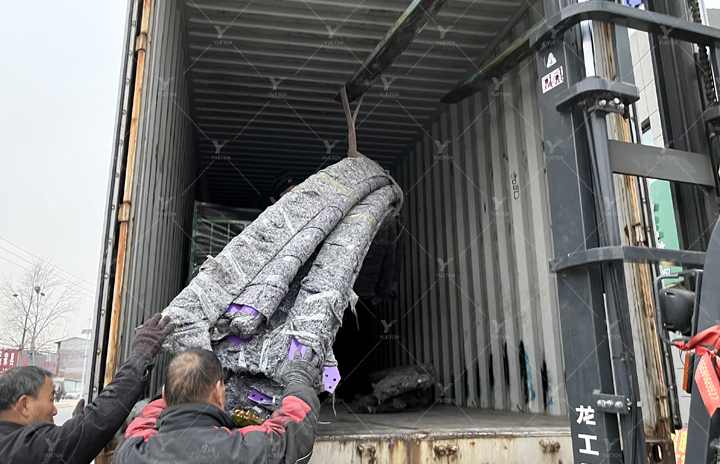
02 Shipping
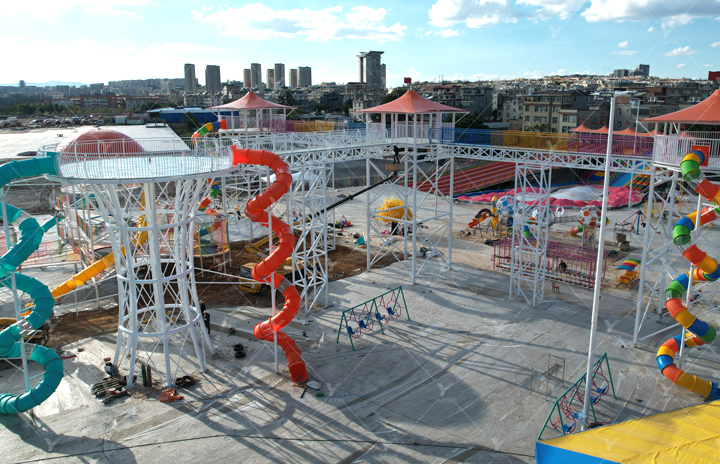
03 Installation
04 Feedback
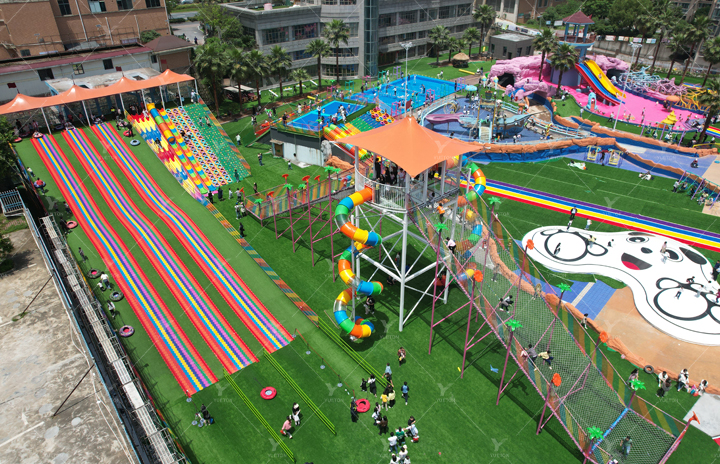
05 Application Scenario

Error: Contact form not found.