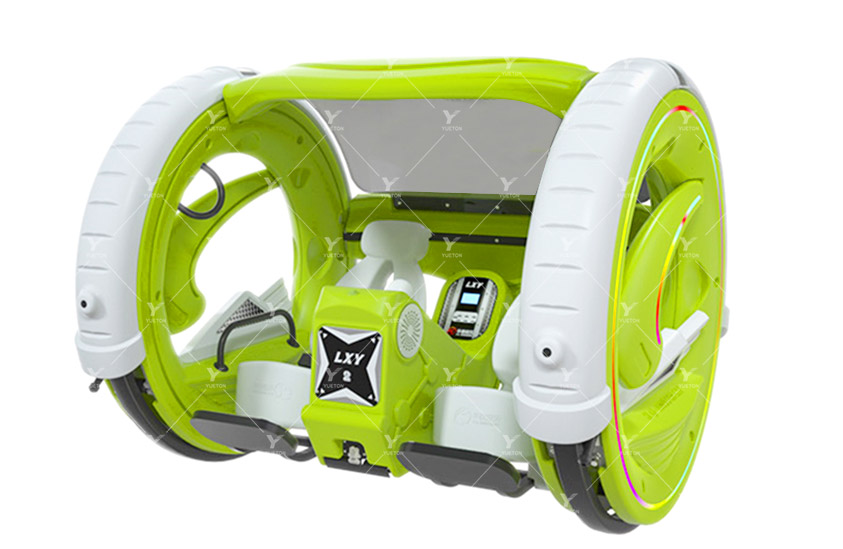
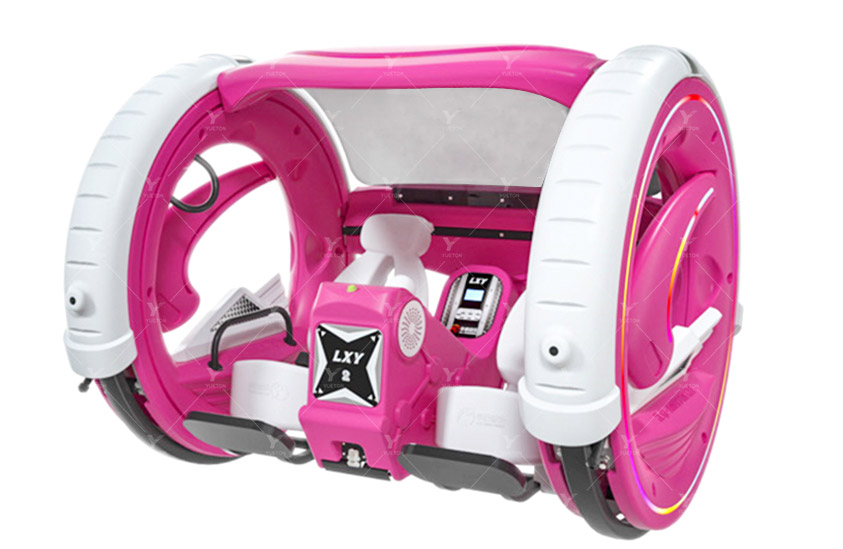
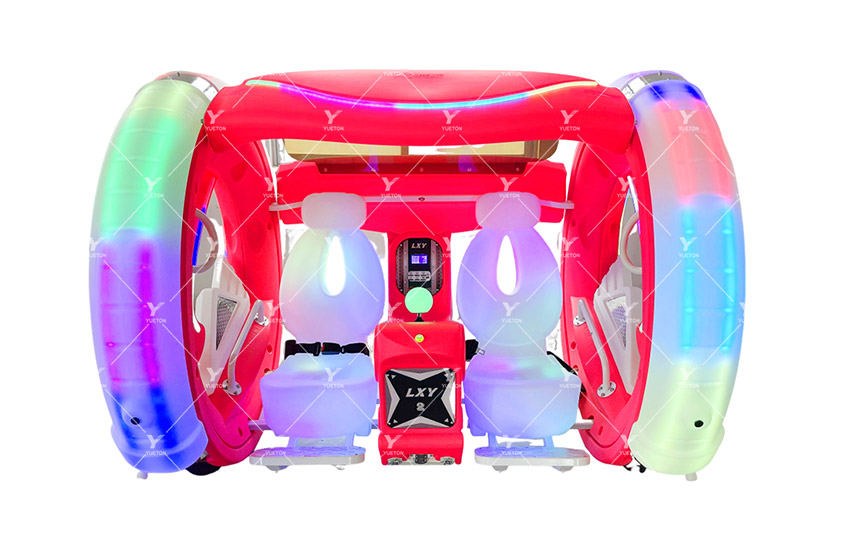
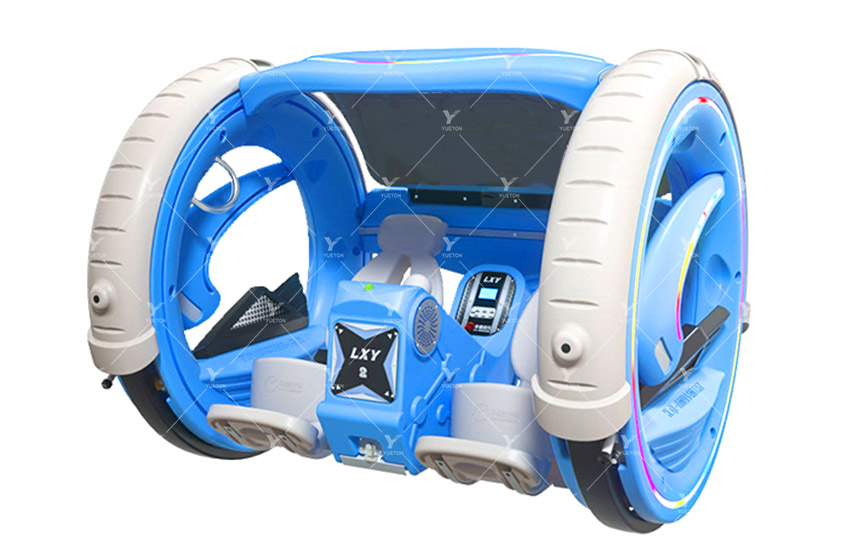
Each 5KR-08 measures 1890 by 1580 by 1493mm, and those numbers shape the whole layout before anything else does. Two cars passing need roughly 3.2m of clear width, and a turnaround at the end of a run adds about 2m beyond the last car. On a guided course, the lane width decides how many cars you can run at once.
Draw the route first on the floor, then place the station. Aim for a loop that a car clears in around 60 to 90 seconds at low speed, with a straight the attendant can see end to end. Corners tighter than a car's turning circle cause drivers to stop, and a stopped car on a children's course is what builds the queue behind it.
Two riders per car is the operating unit. With a short safety brief, a 75-second lap and a quick changeover, one car delivers roughly 25 to 30 rides an hour - about 50 to 60 children through the gate. Four cars running in rotation turn that into 200 to 240, which is the number to price against.
The licence-card format changes the arithmetic in a way that suits repeat visits. Stamp a card after each lap and offer a free ride on the sixth: it costs one lap's capacity and it lifts the average spend per child, because parents queue for a second and third lap rather than one. Keep the stamp station at the exit, where every driver already passes.
Power is 24V with two 1250W motors, so each car has enough drive for two children at low speed without straining. The low voltage is the practical part: it suits a children's ride where speed is deliberately capped, and it keeps the electrical requirement modest for a small operator running three or four cars.
The duty cycle is where a fleet earns or loses money. Cars run all day, so stagger them rather than running every unit flat out - three cars in service and one resting keeps the queue moving while a unit cools. A centre that also runs a larger track attraction often pairs the fleet with a 24P trackless train so ticketing covers both.
The driving-school framing is what makes this different from a plain kiddie ride. Give each child a licence card with their name on it, brief them like a driver - hands on the wheel, follow the car in front, stop at the marker - and the same car becomes an experience parents will pay for twice.
One attendant per three to four cars is the working ratio for a young age group. That person runs the brief, watches the course and stamps cards. Riders must be over three years old, so a good part of the job is helping smaller children in and out and keeping the loading bay clear.
FRP bodies over steel frames are straightforward to repair, but a fleet still needs a plan. Keep one spare car, a set of steering and drive spares, and a fixed weekly inspection slot for the whole fleet rather than fixing faults one at a time during opening hours.
Scale the fleet to your peak week, not your average week, then run fewer cars on quiet days. Half-term and summer Saturdays decide the number, and a car that fails on a busy Saturday costs more in lost rides and refunds than a spare unit costs to hold. Where a centre has space for a second children's attraction, a big eyes airplane uses a similar small footprint and the same low staffing.
|
Product name |
Happy Rolling Car |
|
Model Number |
YTCN-5KR-08 |
|
Capacity |
2P |
|
Size |
1890*1580*1493mm |
|
Power |
24V1250W*2 |
|
Material |
FRP+steel |
|
Certificate |
CE Certificate |
|
Color |
Yellow or Color Could be customized |
|
Suitable age |
Over 3 years old |
|
MOQ |
1 Set |
Yes. The cars run at low speed on a guided course with simple controls, and the format is built around role play rather than speed. Riders must be over three years old, and an attendant briefs each child before the lap starts. Each car seats two, so a sibling or friend can ride along.
Each unit measures 1890 by 1580 by 1493mm. Allow roughly 3.2m of clear width where two cars pass, plus about 2m at each end of a run for turning. Draw the route on the floor before fixing the station position.
Each car runs on 24V with two 1250W motors. The low voltage keeps the electrical requirement modest, which suits a small centre operating three or four cars, and speed stays capped at a level appropriate for young drivers on a guided course.
One car delivers about 25 to 30 rides an hour, or 50 to 60 children at two per car. A four-car rotation reaches roughly 200 to 240. Changeover speed at the loading bay decides which end of that range you land on.
It turns a lap into a series of laps. Stamp the card on each ride and reward the sixth, and families stay longer and spend more. Keep the stamp station at the exit, where every driver passes anyway, so the next lap is an easy yes.
Keep one spare car and a set of steering and drive spares, and hold a fixed weekly inspection slot for the whole fleet. Scale the number of cars running to your peak week rather than your average, and rest units in rotation during long trading days.
01 Production
02 Shipping
03 Installation
04 Feedback
05 Application Scenario
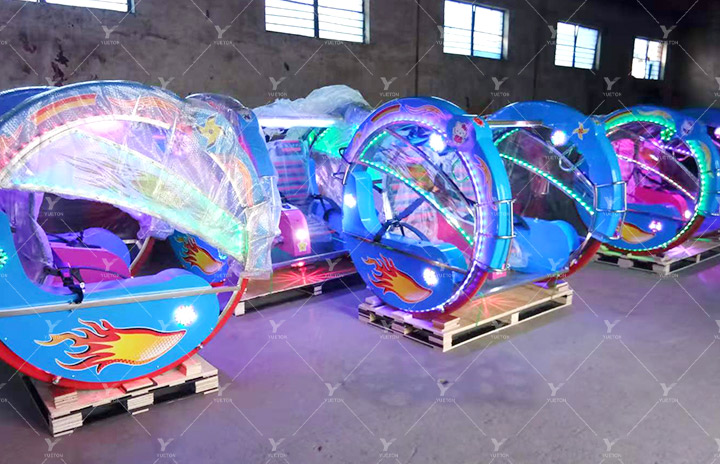
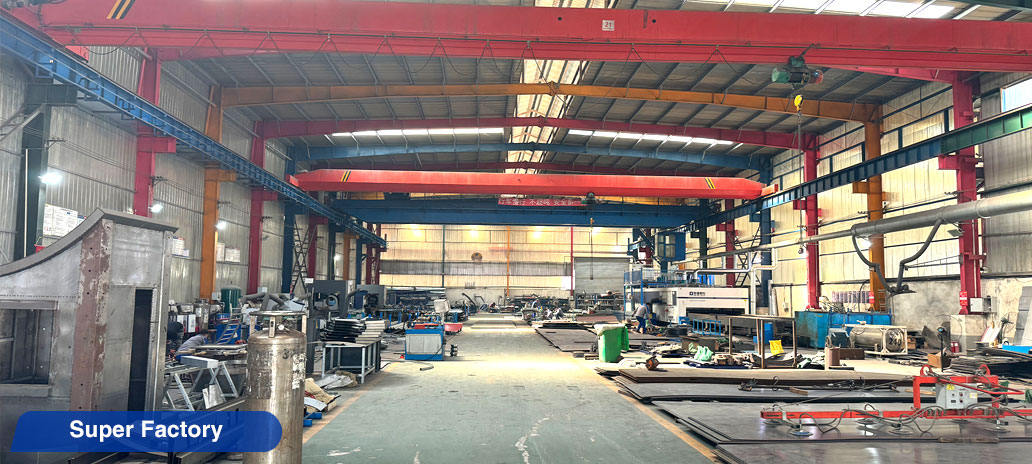
We source premium to guarantee durability and longevity, Skilled craftsmen and advanced robotics work in harmony to precision-cut, weld, and assemble components, before shipping will do the testing. From raw materials to production to testing, we fully control the quality.
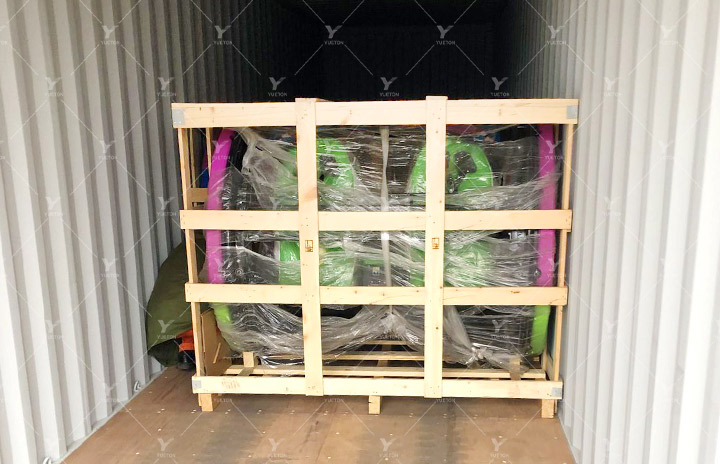
Use the professional export package, the fiberglass use the three layer(Bubble film + non-woven fabric + stretch film), it will better protect the equipment. The workers have rich loading experience, reasonable use of container space to save freight for customers.
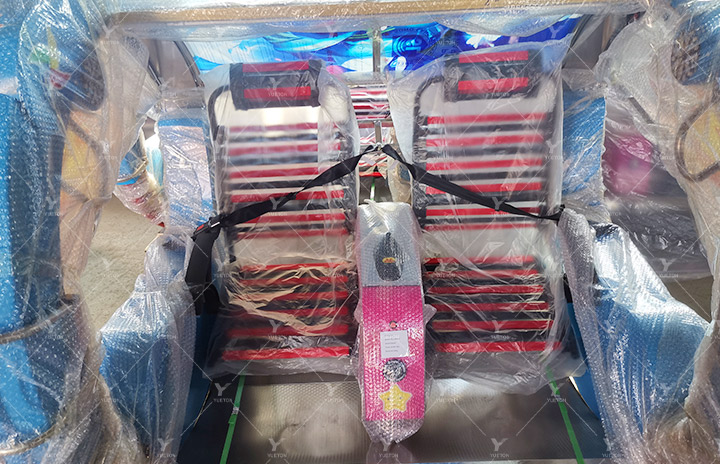
We have the professional installation team. The engineer has rich experience with installation, can guide the installation, formulate a reasonable installation plan and conduct routine maintenance training. Let customers save worry, trouble and money, and complete the project installation work faster and better.
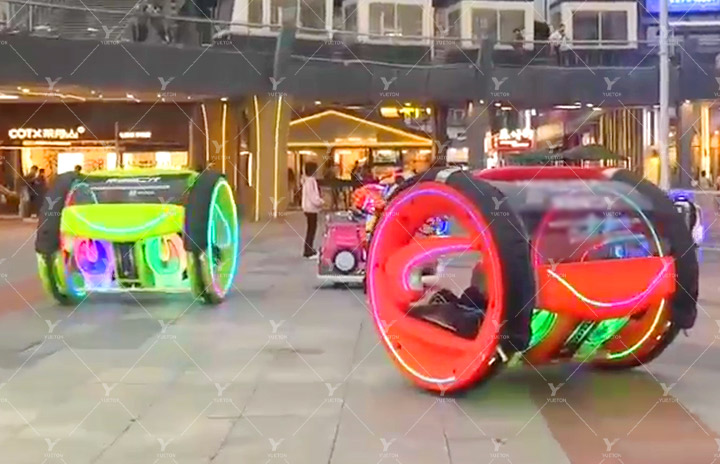
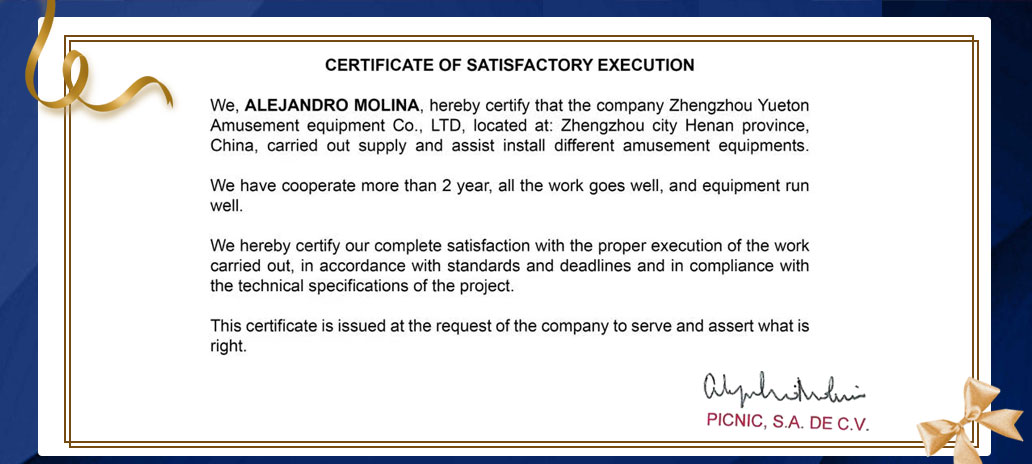
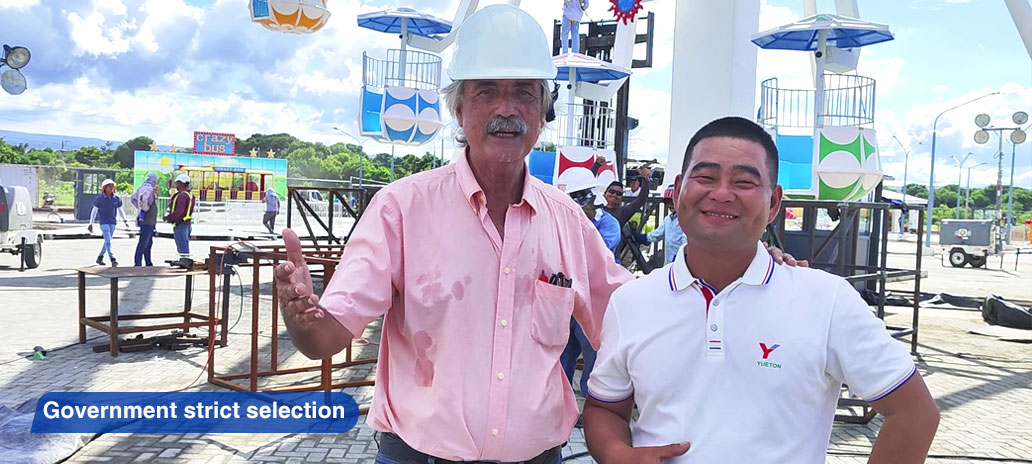
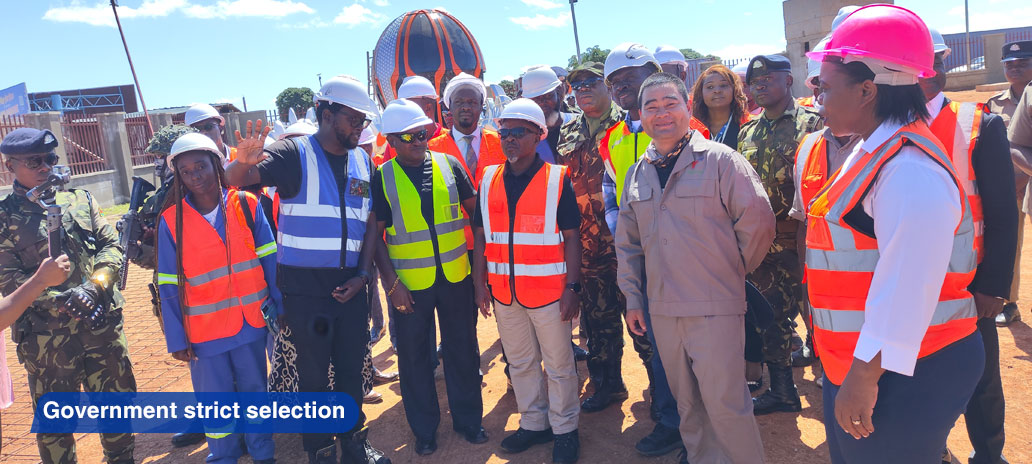
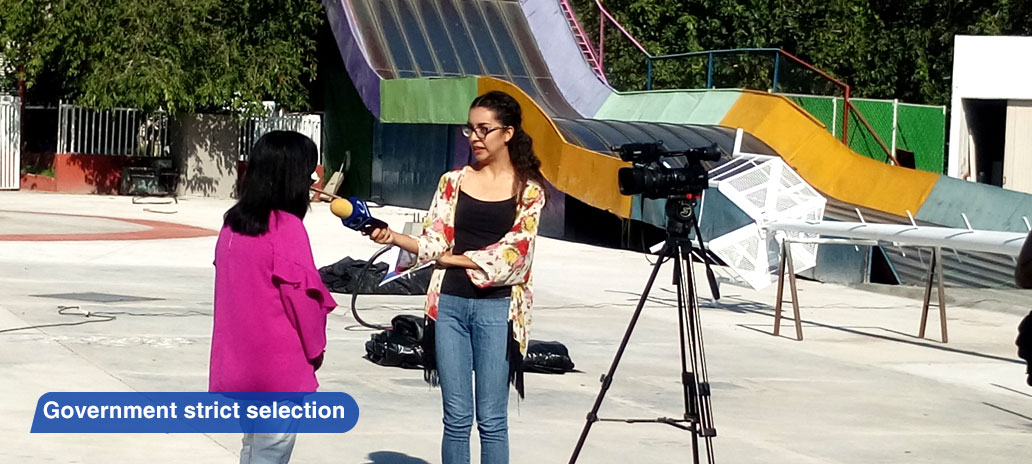
Our team has cooperated with many government and private park projects. Our high-quality products and excellent services have won praise from customers. This is the feedback from one of the our government projects.
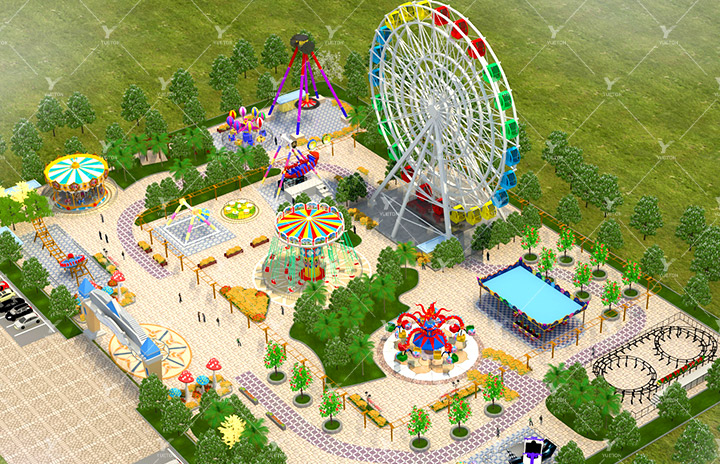
The equipment can be used in various scenarios, such as outdoor parks, shopping malls, indoors, etc. We can plan according to your site and make a 3D design drawing of the playground for you.

Error: Contact form not found.