The Glass Water Slide YTCN-5NP-22 uses a smooth glass riding surface instead of the usual moulded plastic. Water flows over that surface, so the rider travels on a thin film rather than on the material itself. The result is a slicker, quicker descent, and the touch of the run feels different the moment you sit down.
It is built as non-powered equipment. The only utility involved is the water feed. Size and colour are quoted as customized, and lengths are agreed per project.
A standard water connection feeds the slide. What matters more than volume is even distribution: the surface should stay wet from the entry to the run-out, with no dry patches where a rider slows abruptly.
Flow is set on site during commissioning. Once the valve position is right, it rarely needs touching. Filtering the supply before it reaches the channel keeps grit off the glass, which is the single biggest factor in how the surface feels after a season of use.
The frame carries the glass panels and takes the loads, so its footings are set first and checked for level. Glass is inspected rather than scrubbed: look for chips at the edges, keep abrasive cleaners away, and treat any impact point as a reason to look closer.
Day-to-day work is modest. Rinse the surface, clear debris from the run-out, and confirm the panel fixings have not moved. Because the ride is water-lubricated, there are no bearings to grease and no drive components to replace.
Water parks, resort pools and premium family venues are the natural homes for this piece. The glass gives the run a clean, bright look that photographs well and reads as a step up from a standard flume, which is why operators place it on the main circulation route.
Sites with a dry-play budget as well often pair it with a long multi-band rainbow slide for dry descents, so visitors have something to ride when the water is off. Where a lagoon or lake sits beside the venue, pedal water tricycles for hire extend the visit beyond the slide deck.
Work starts with the base and the water connection point, because retrofitting a feed under a finished structure is far harder than setting it first. Panels go on after the frame is aligned, and the run is wet-tested before anyone rides it.
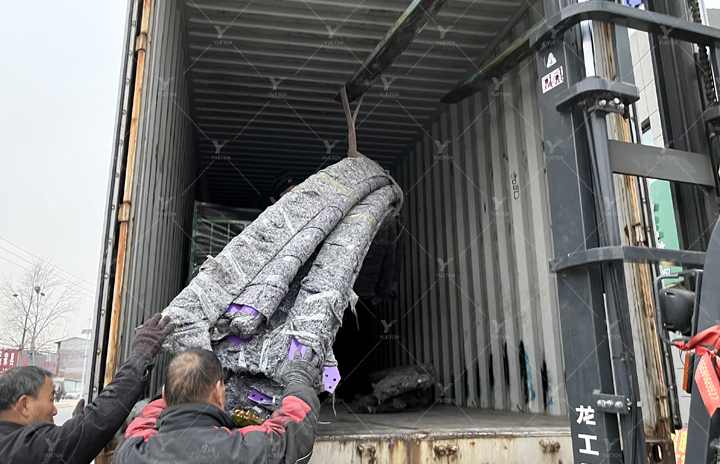
Commissioning is best done with the same staff who will operate the slide. They learn the flow setting, the isolation valve and the daily check list in one session. Export packaging keeps components protected in transit, and installation guidance is supplied with the shipment.
|
Product name |
Glass water slide |
|
Model Number |
YTCN-5NP-22 |
|
Size |
Customized |
|
Packaging |
Export package |
|
Color |
Customized Color |
|
Suitable age |
Over 3 years old |
|
MOQ |
1 Set |
Yes. The panels are engineered for the load, edges are smoothed, and the run-out is designed so riders slow before they stop. The slide is CE certified.
It needs a water feed with enough pressure to keep the surface wet. Whether that comes from your existing system or from a dedicated small pump depends on the site.
Consumption depends on the length and width you order and on how long the feed runs each day. Many operators recirculate the water rather than letting it drain away.
It can, provided the structure has room for the profile and the site can manage water and drainage. Indoor venues often choose deeper colours.
Damaged panels are replaced individually rather than the whole run being rebuilt, so downtime stays short and repair costs stay predictable for operators.
01 Production
02 Shipping
03 Installation
04 Feedback
05 Application Scenario




Error: Contact form not found.