Seven metres is the number that decides whether this train suits your site. Take a tape to the tightest corner on your intended route — the inside of a fountain, the mouth of a market lane, the bend beside a monument — and measure the space available. If that corner takes seven metres comfortably, the train handles the rest of the route with margin to spare.
Measure with guests in mind, not vehicles. A corner a car clears at speed becomes a different problem when the train is full.
Compact turning performance is what opens up street-style tourist zones. The train can circle a square, thread between market stalls and pass a fountain that a longer set could never round. That ability turns an awkward piece of town into a route, and routes that follow the life of a district keep passengers interested from the first minute.
Walk the intended path at the busiest time of day before you commit. Deliveries, cafe tables and parked scooters alter the real width of a street, and the quiet morning route is rarely the one you drive.
A train sharing space with pedestrians lives or dies on rules everyone follows. Fix the direction of travel, keep a walking escort at the front of the set on busy days, and agree with the local authority where the train may and may not go.
A full load changes how the train feels on a bend. Drivers should slow before the corner, not during it, and keep the turn smooth so passengers are not thrown sideways. Brief every operator to reduce speed where sightlines are short, and to stop rather than guess when a corner is blocked. Training and a simple control layout mean new drivers handle this confidently within days.
Where a route mixes tight corners with long straights, a venue may run this model alongside a larger 58-seat sightseeing train, keeping the agile set for the old quarter.
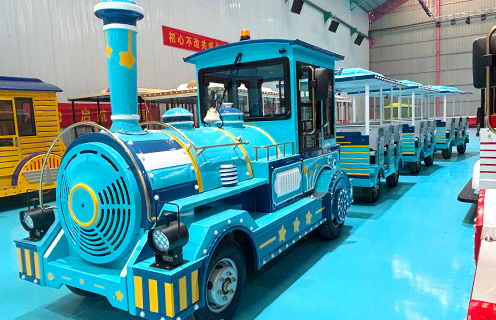
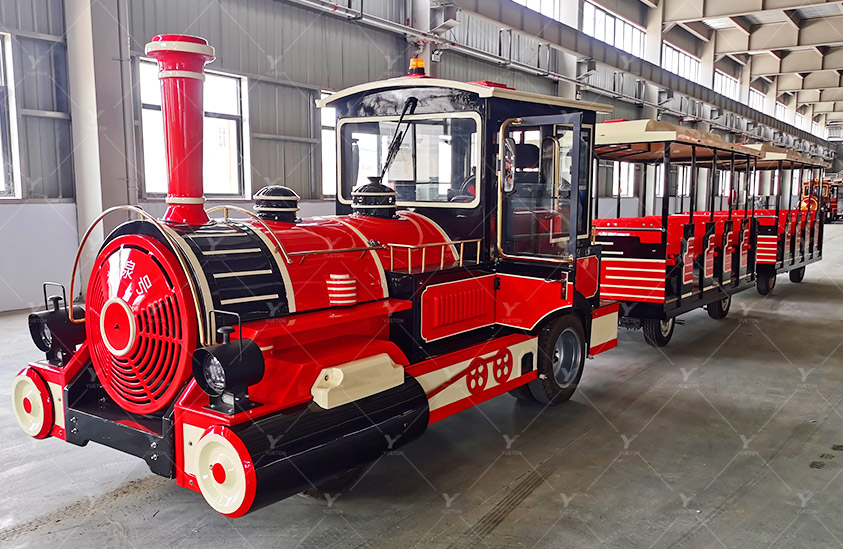
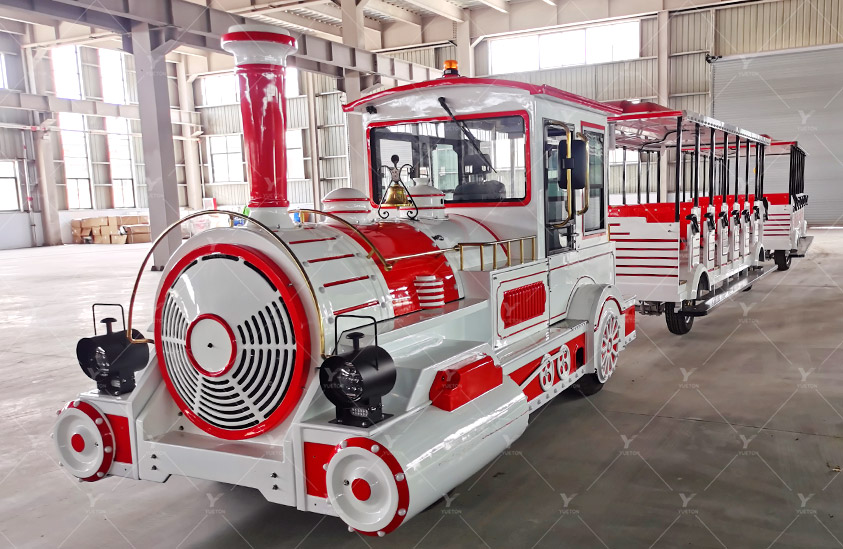
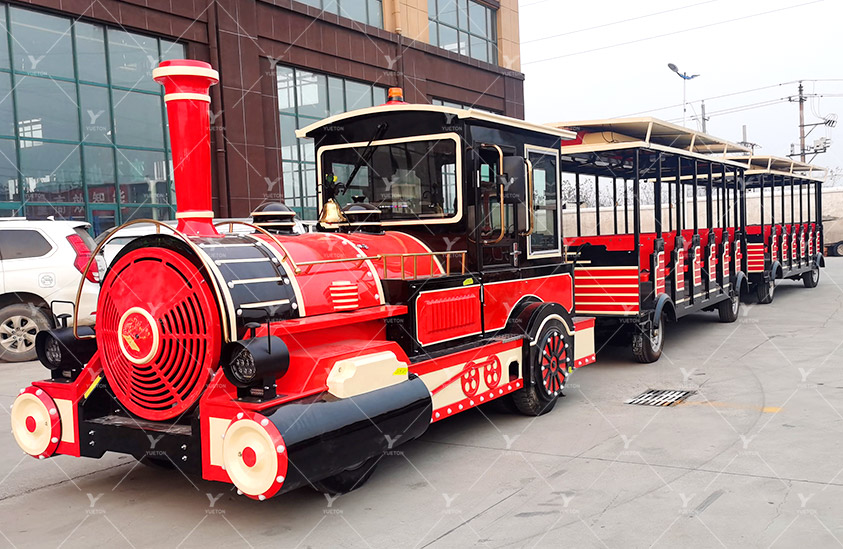
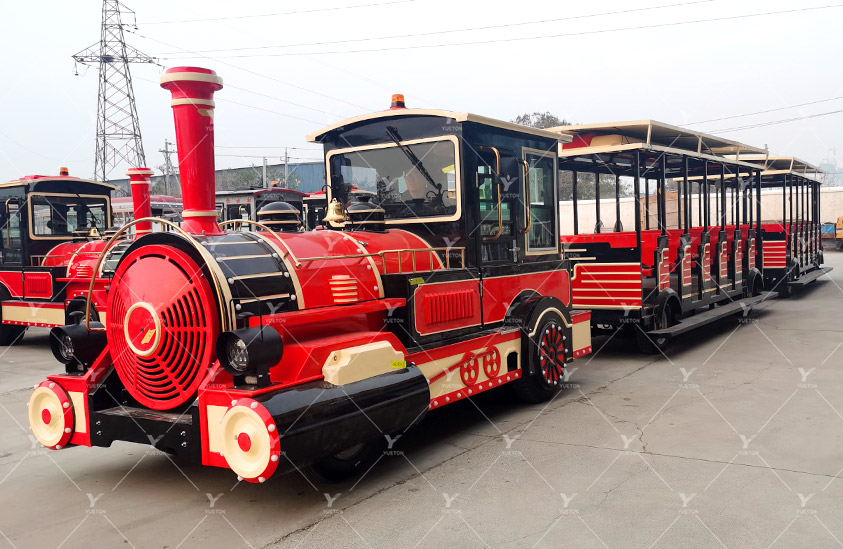
A train in a historic square should not look like a fairground ride dropped into a postcard. Livery can be customised to suit the setting — muted colours for a heritage district, brighter palettes for a family zone — and the same approach works for logos and carriage detailing. Done well, the train reads as part of the streetscape.
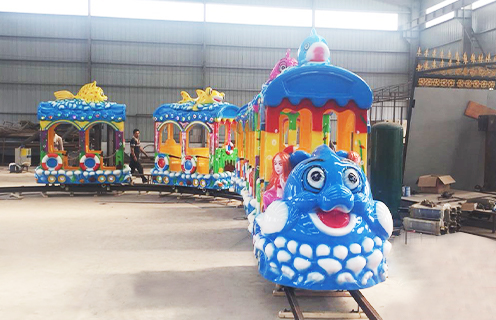
Some operators take the opposite route, choosing a bold clown-themed children's train precisely because the contrast draws families in. Both approaches work; what fails is a colour scheme that matches nothing around it.
A 42-seat load absorbs a lot of queue, but festival weekends and holiday periods will still outrun one train. Plan a second departure pattern rather than a second vehicle: shorten the loop, reduce the pauses at intermediate stops and keep the boarding gate moving. Where the venue grows permanently, a smaller 27-seat train can cover a short family circuit while the larger set runs the main route.
|
Product name |
42P trackless train |
|
Model Number |
YTCN-5ST-02 |
|
Capacity |
42P |
|
Max.Speed |
20km/h(Fully loaded) |
|
Turning radius |
7m |
|
Packaging |
Export package |
|
Material |
FRP+steel |
|
Certificate |
CE Certificate |
|
Color |
Customized Color |
|
Installation |
professional installation pictures and videos or arrange staff install |
|
Logo |
Customized Logo Availabled |
|
MOQ |
1 Set |
Yes — that is what this model is designed for. Its compact turning performance lets it weave through plazas, narrow streets and heritage areas where a longer train could not go.
Yes. It carries a solid commercial load per trip, so you gain route flexibility without sacrificing revenue. The compact size simply lets you operate in places a bigger train cannot reach.
Flat, paved surfaces are ideal — pedestrian zones, plazas and park paths. Confirm your route surface when ordering so the wheels are configured correctly, and keep the train off gravel and soft ground.
Yes. Operator training and a simple control system mean new drivers are confident within days, and the training covers how to read a crowd and where to slow down.
A seven-metre turning radius covers the tightest corners on most street and park routes. Measure your narrowest bend before ordering; if it falls short, a smaller model may suit the site better.
Yes. Because there is no fixed track, the loop can be re-planned for a festival, a market or a closed street, then returned to its normal line afterwards.
01 Production
02 Shipping
03 Installation
04 Feedback
05 Application Scenario
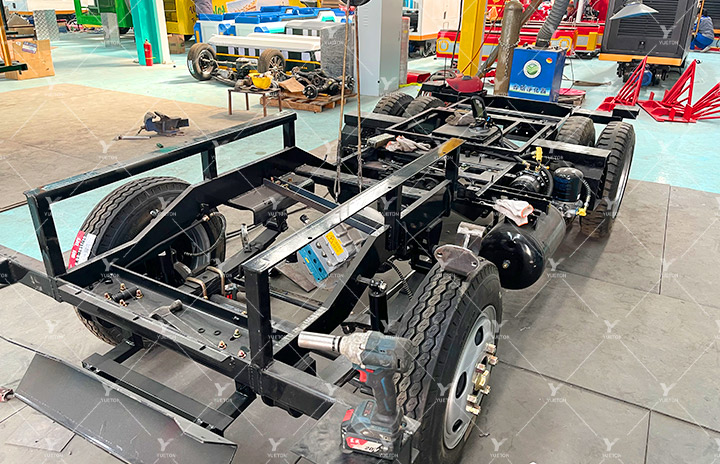
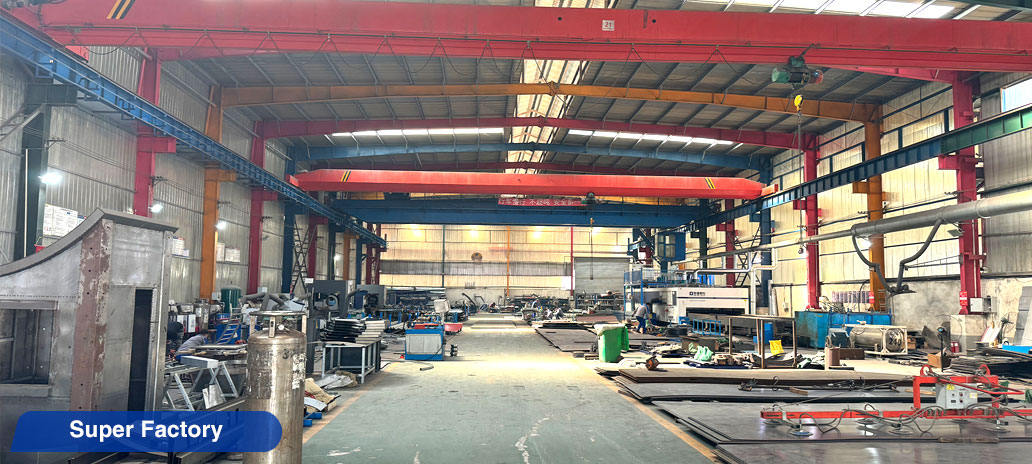
We source premium to guarantee durability and longevity, Skilled craftsmen and advanced robotics work in harmony to precision-cut, weld, and assemble components, before shipping will do the testing. From raw materials to production to testing, we fully control the quality.
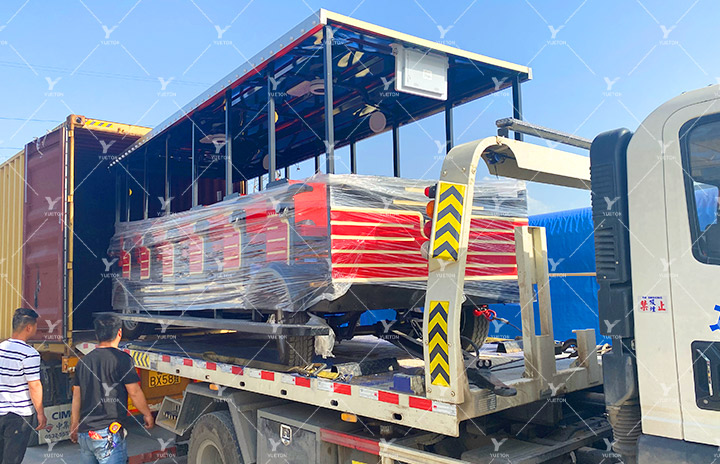
Use the professional export package, the fiberglass use the three layer(Bubble film + non-woven fabric + stretch film), it will better protect the equipment. The workers have rich loading experience, reasonable use of container space to save freight for customers.
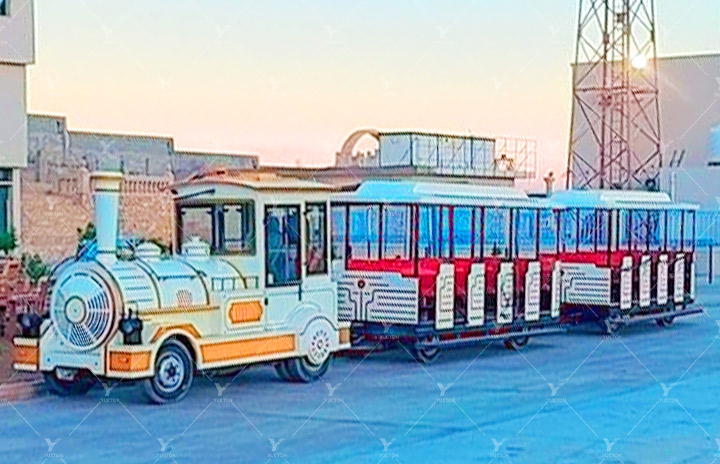
We have the professional installation team. The engineer has rich experience with installation, can guide the installation, formulate a reasonable installation plan and conduct routine maintenance training. Let customers save worry, trouble and money, and complete the project installation work faster and better.
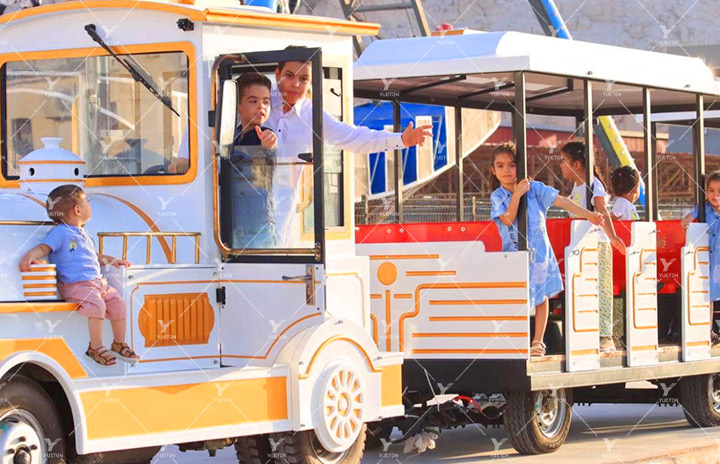
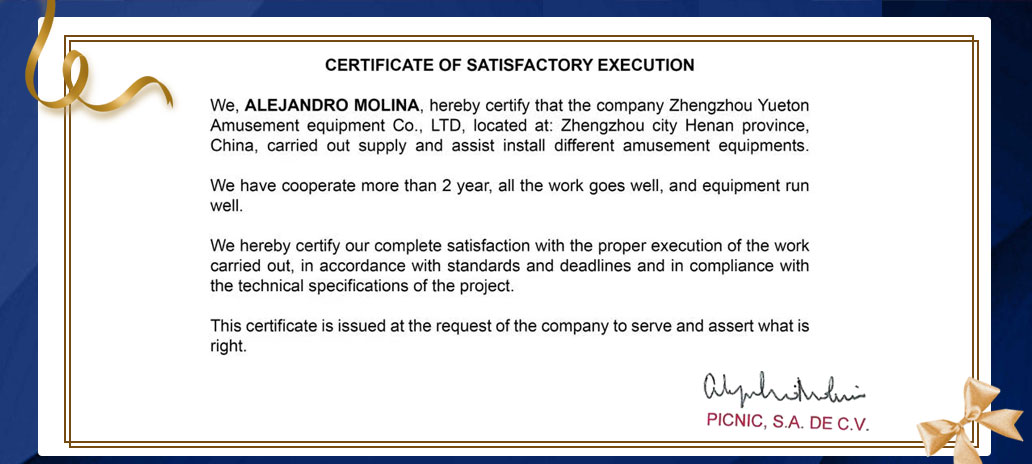
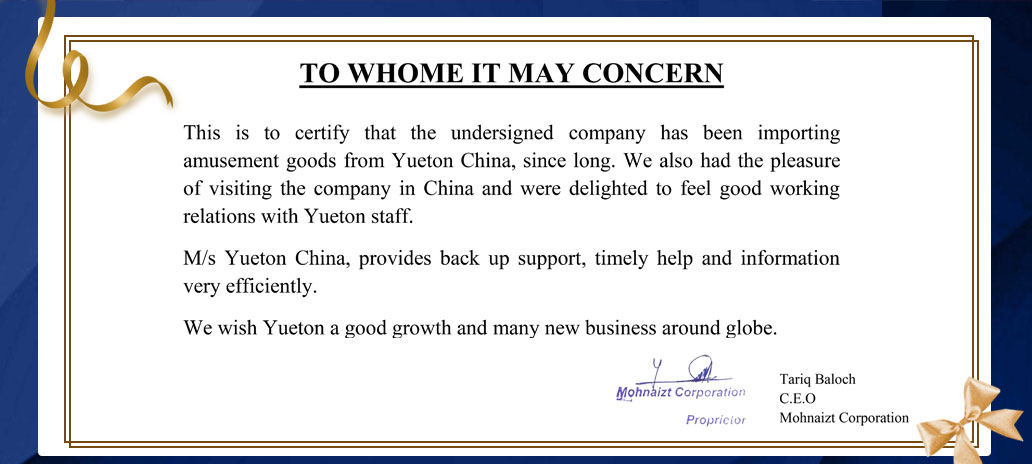
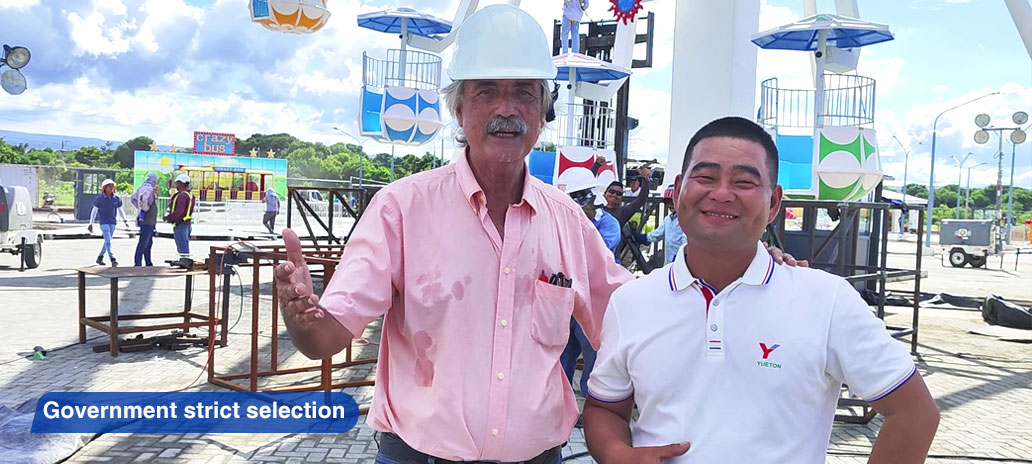
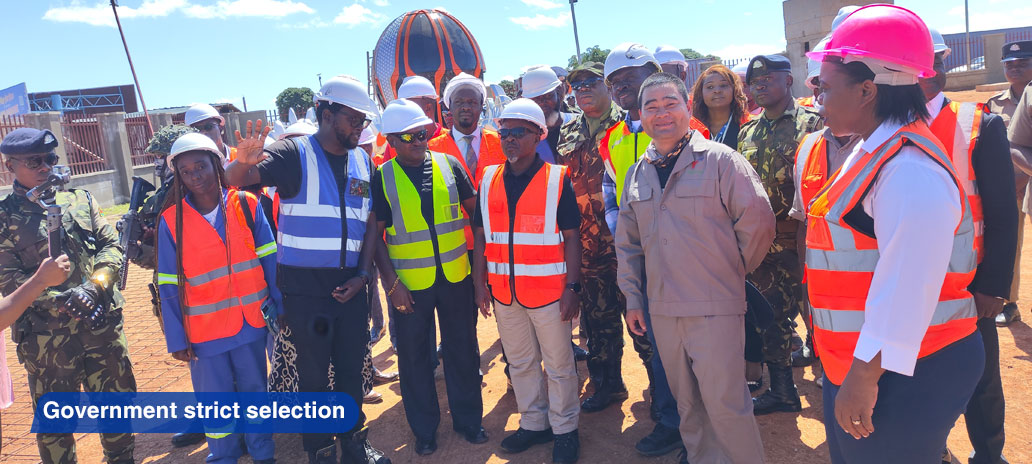
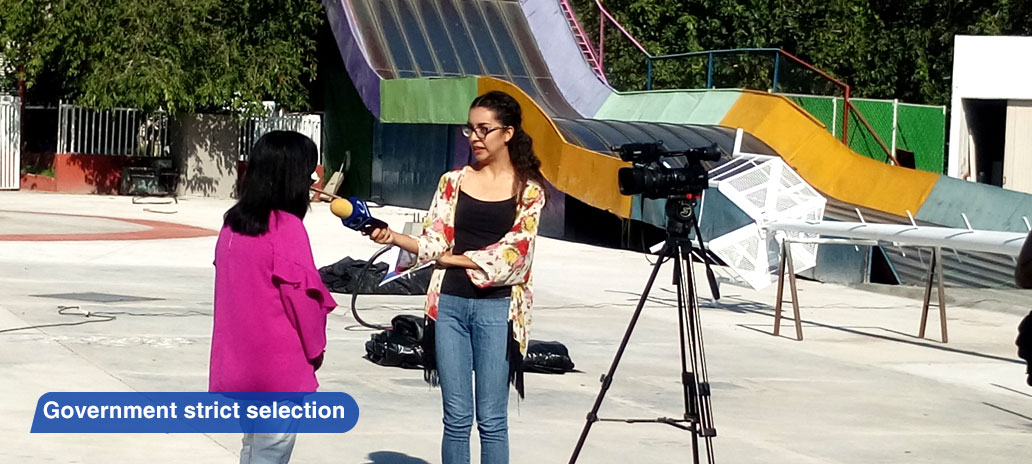
Our team has cooperated with many government and private park projects. Our high-quality products and excellent services have won praise from customers. This is the feedback from one of the our government projects.
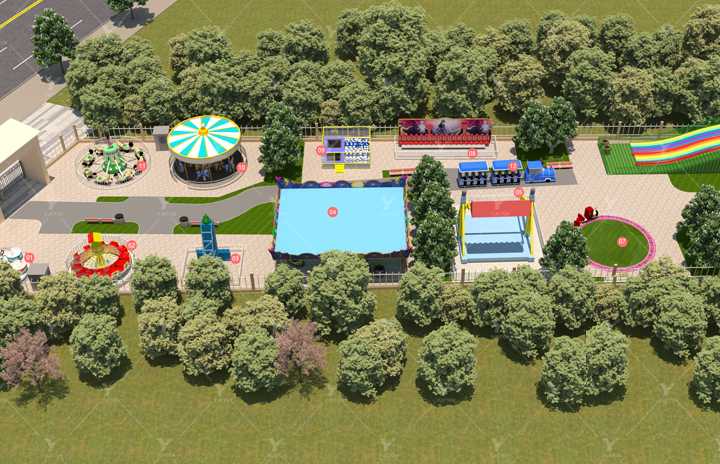
The equipment can be used in various scenarios, such as outdoor parks, shopping malls, indoors, etc. We can plan according to your site and make a 3D design drawing of the playground for you.
Error: Contact form not found.